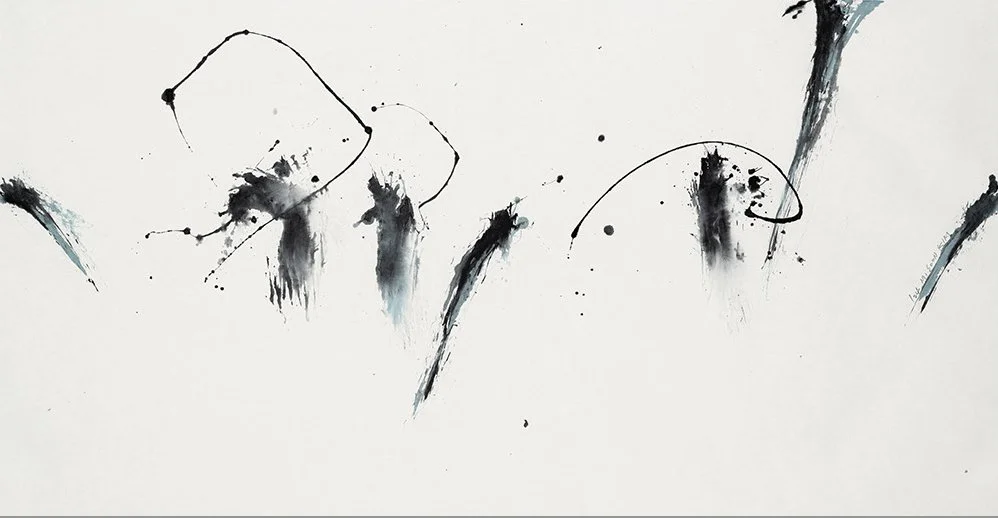
WORKS
Traces records human energy as irrepeatable marks—waves of individual presence that connect life, relationship, and resonance.
TRACES - Circle of Life
Kim Misoon’s Circle of Life series (1982–1993) begins with a fundamental inquiry into the origin of life and the condition of being given existence. By minimizing explanation and simplifying form, the artist invites viewers into a direct dialogue with the work. Moving away from realistic depiction, she focuses on abstract expression, capturing the energy and movement of life through a single brushstroke.
The movement of cells observed under a microscope and the flow of human crowds are perceived as the same wave of life, realized as rhythmic lines on hanji. The moment when paper, ink, and brush meet echoes the irreversible moment of birth. Through these traces, the Circle of Life series marks the point of origin for an expanding reflection on life’s circulation, the continuity of time, and cyclical transformation.
* Select the painting to see a larger view. Dimensions are listed as H × W.
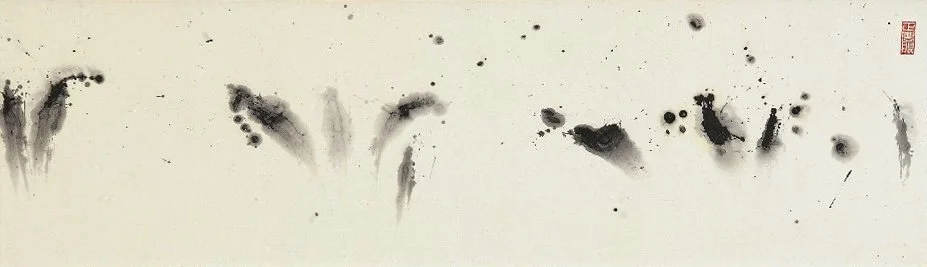
Misoon Kim Traces- 1995 (30x120cm)
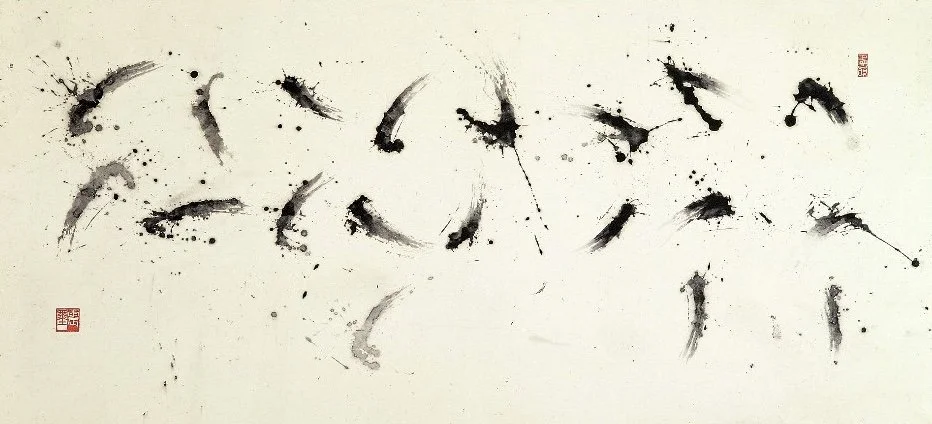
Misoon Kim-Traces1995(60cmx120cm)
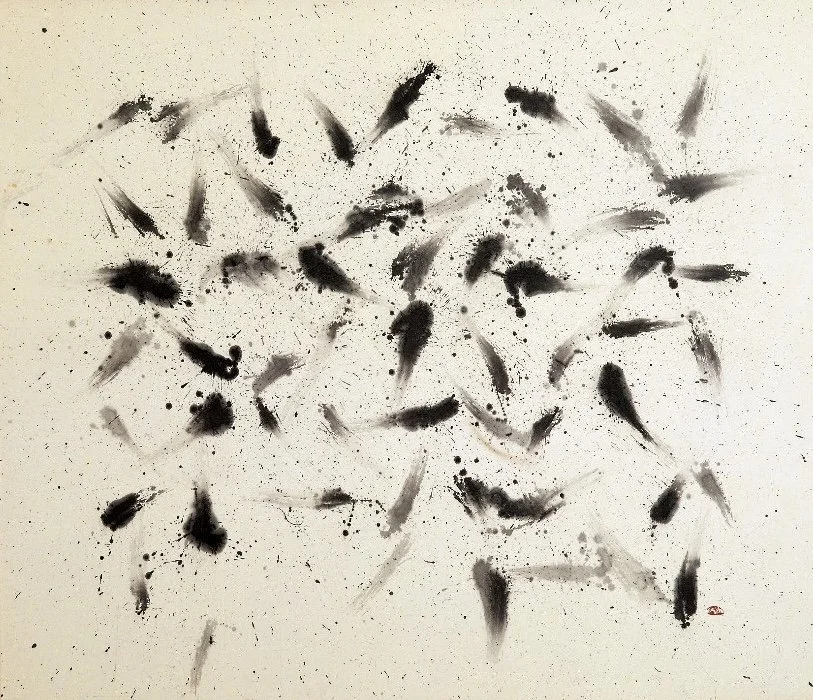
Misoon Kim-Traces1995(80cmx100cm)
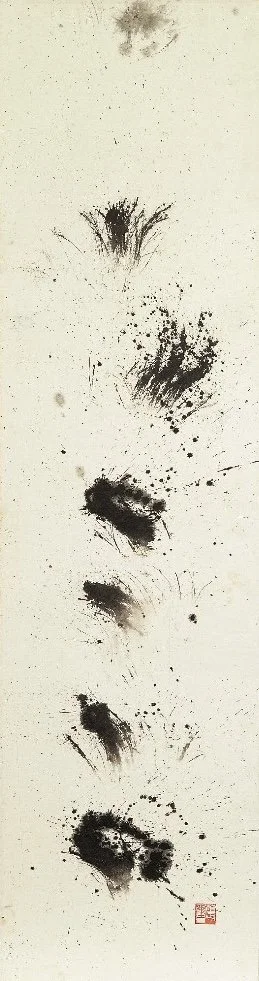
Misoon Kim-Traces1996(60cmx240cm)
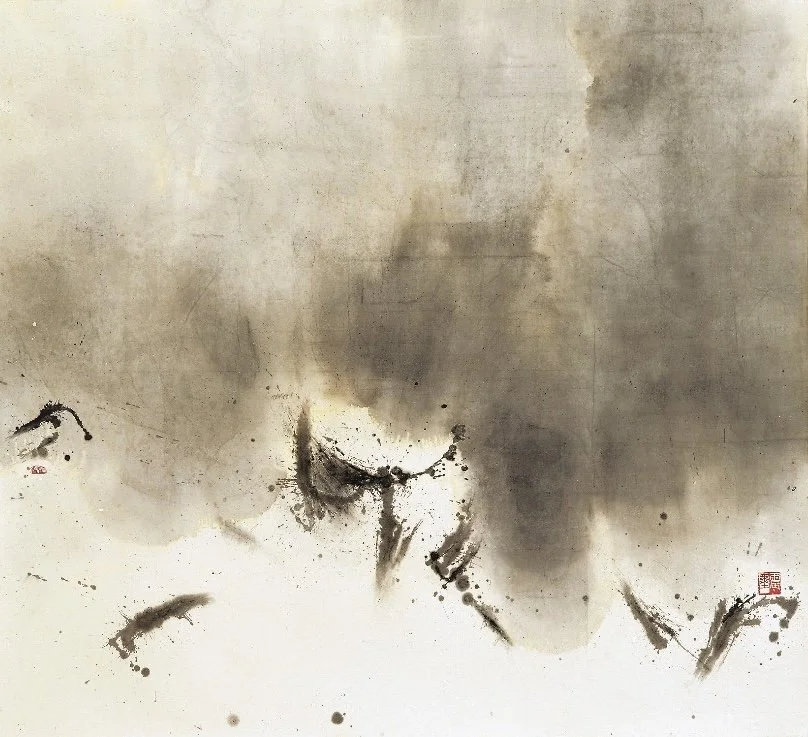
Misoon Kim-Traces1995(100cmx120cm)
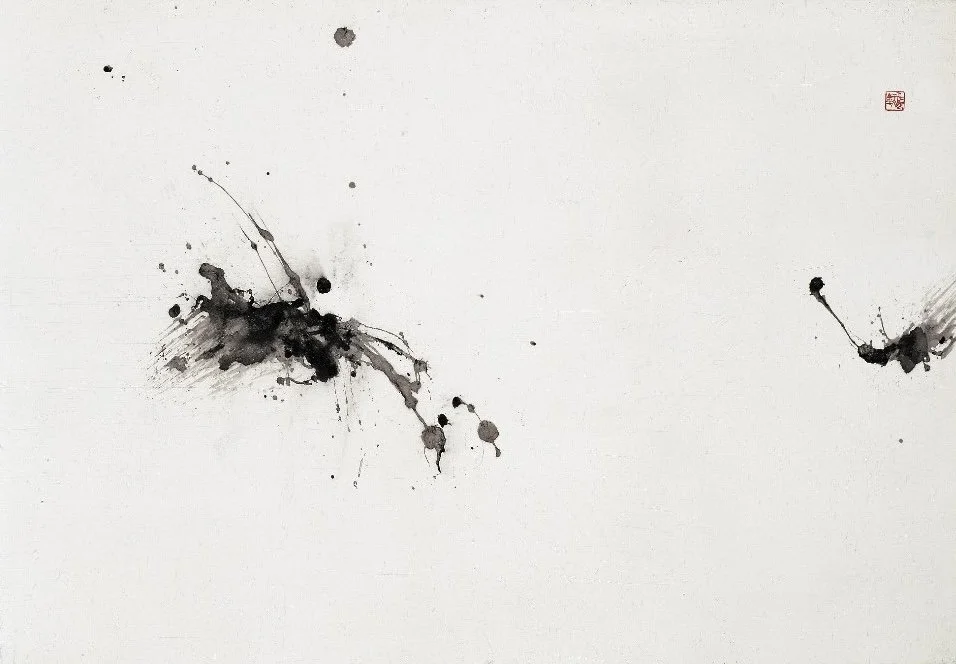
Misoon Kim-Traces1999(70cmx100cm)
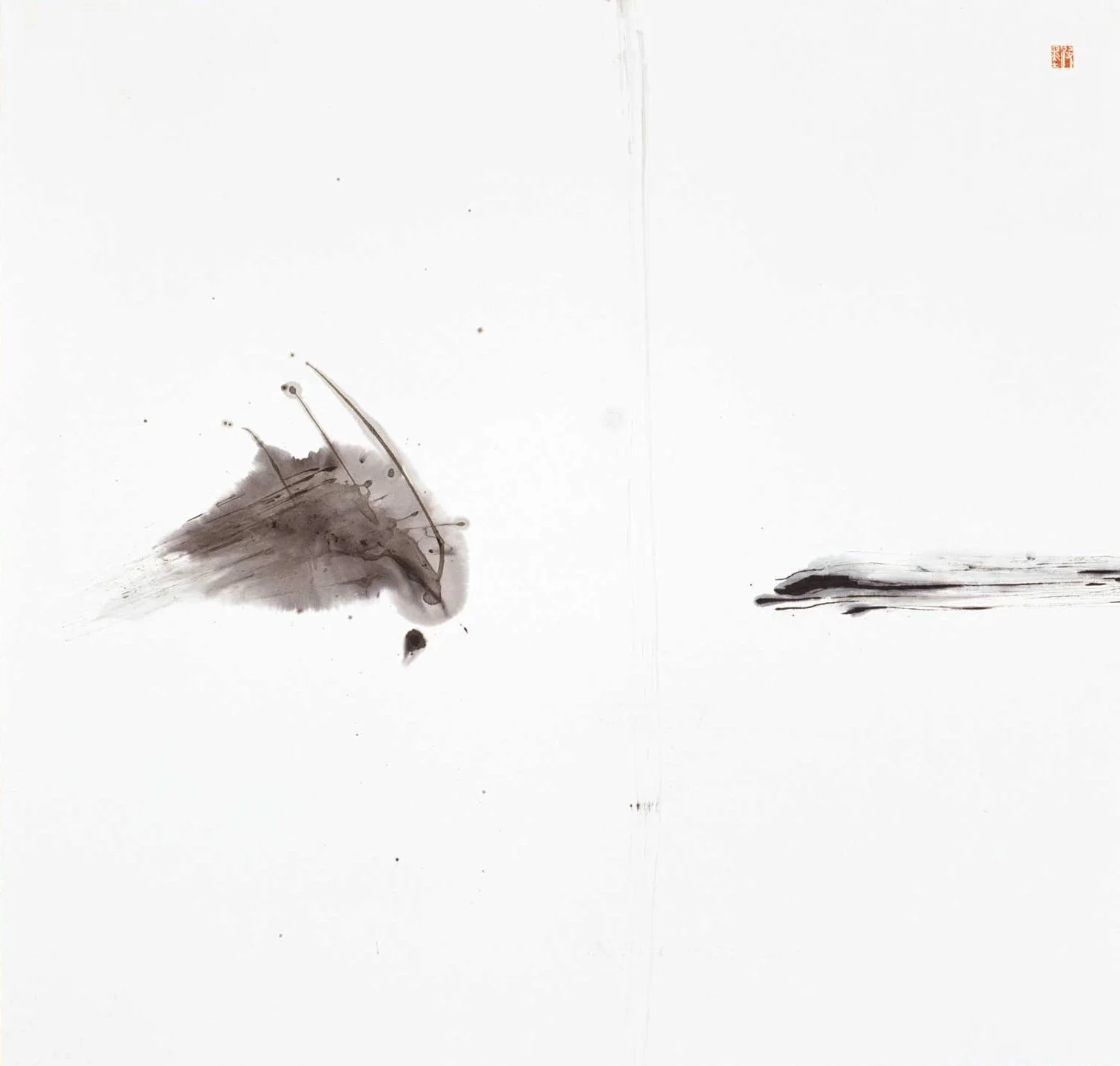
Misoon-Kim-Traces2002(70cmx75cm)
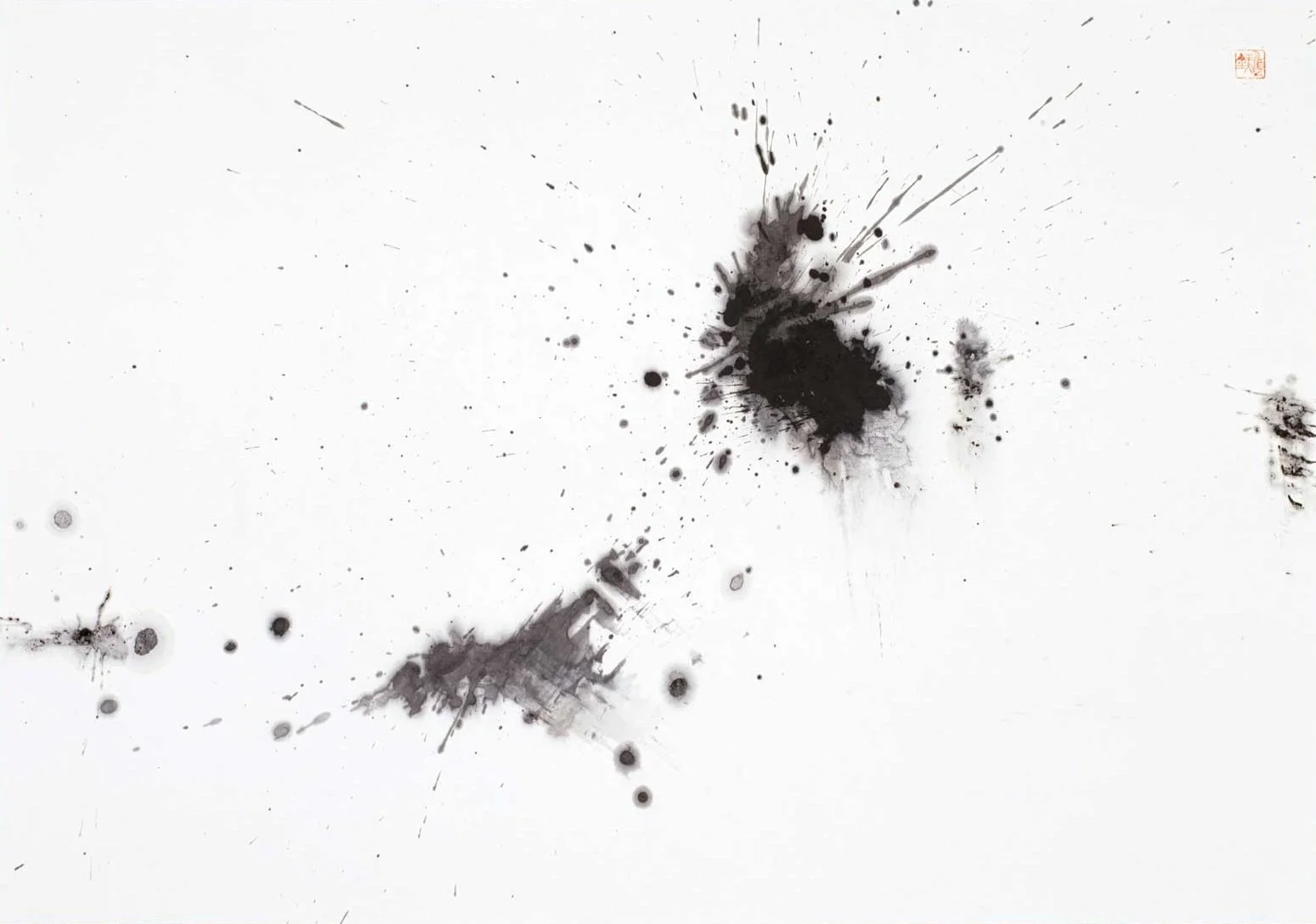
Misoon-Kim-Traces2004(70cmx90cm)
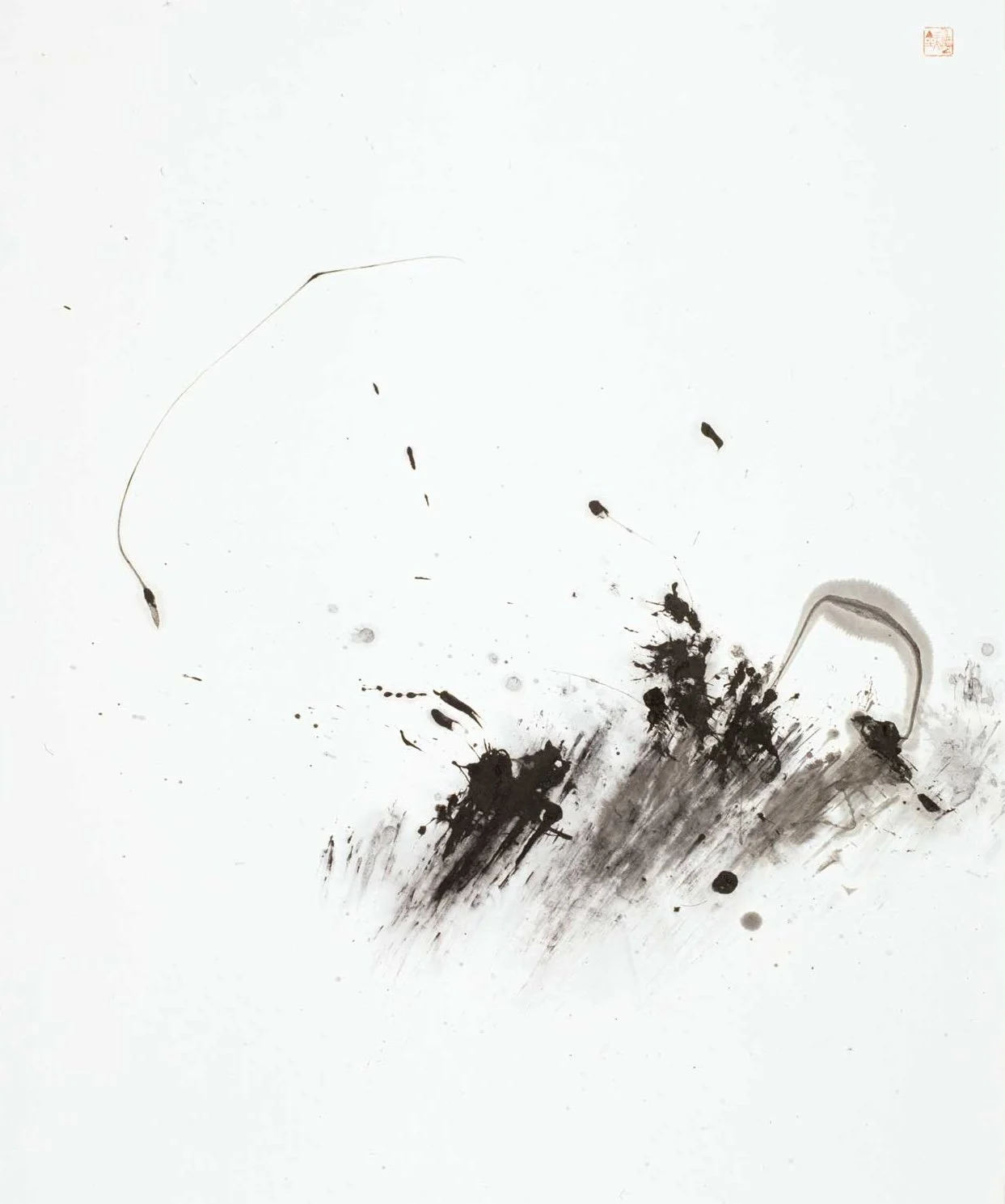
Misoon-Kim-Traces2005(100cmx80cm)
TRACES -Relations
After Circle of Life, She turned inward, reflecting on herself within human relationships. Confronted with physical limitation and the awareness of mortality, she questioned how a given life could continue through connection with others. Her years in Paris led her to refine each brushstroke, deepening the use of ink and embracing the beauty of emptiness and restraint.
Her time in India marked the emergence of Traces, shaped by daily encounters with life and death and an awareness of what remains after existence passes. In New York, this inquiry expanded into Relations, exploring human connection within a densely populated yet emotionally distant city. Together, these works extend her ongoing meditation on life, time, and relational existence.
* Select the painting to see a larger view. Dimensions are listed as H × W.
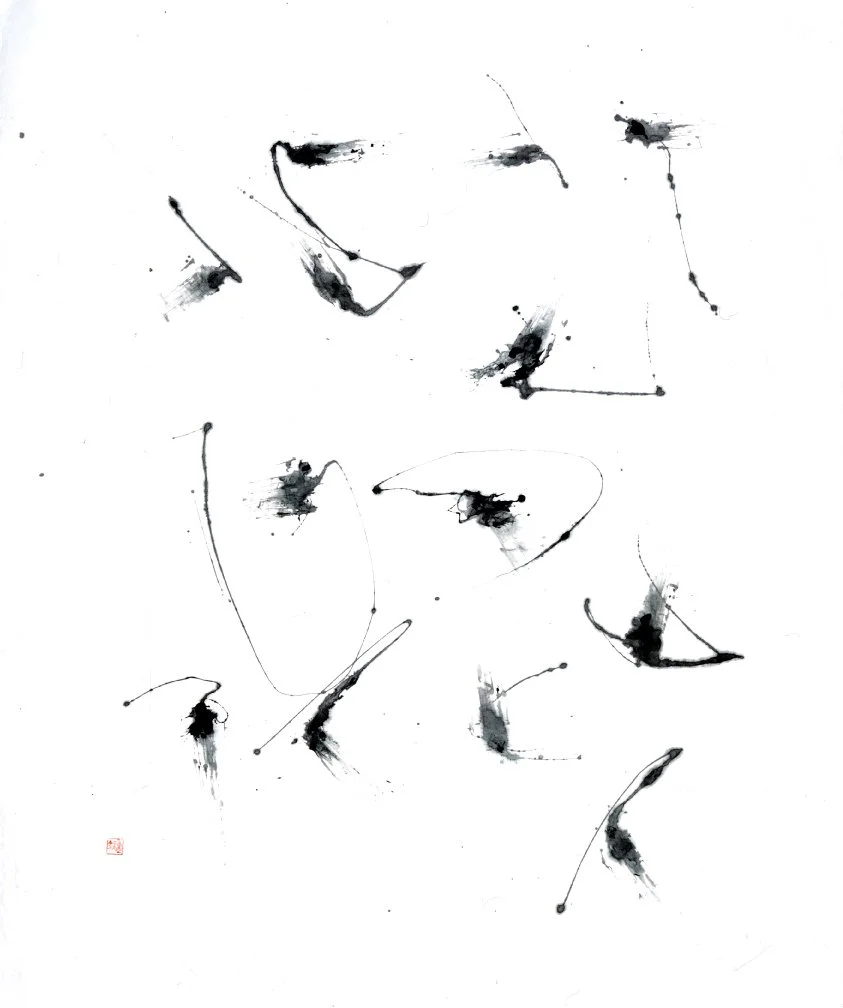
Misoon Kim-Traces2002(120cmx100cm)
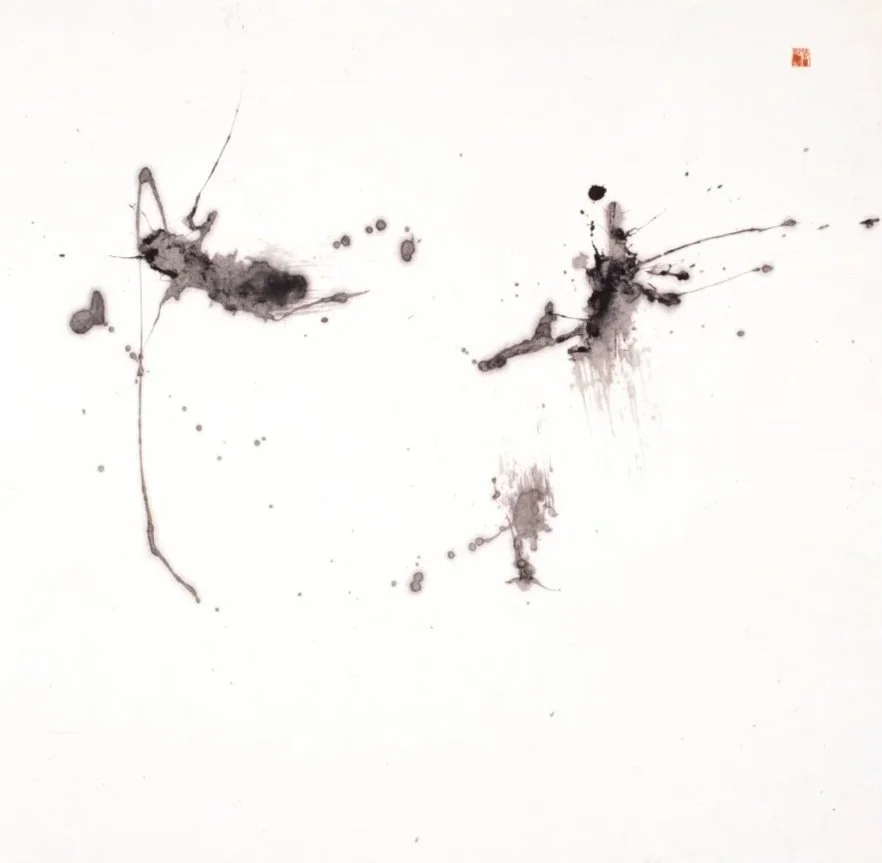
Misoon Kim-Traces2003(67cmx70cm)
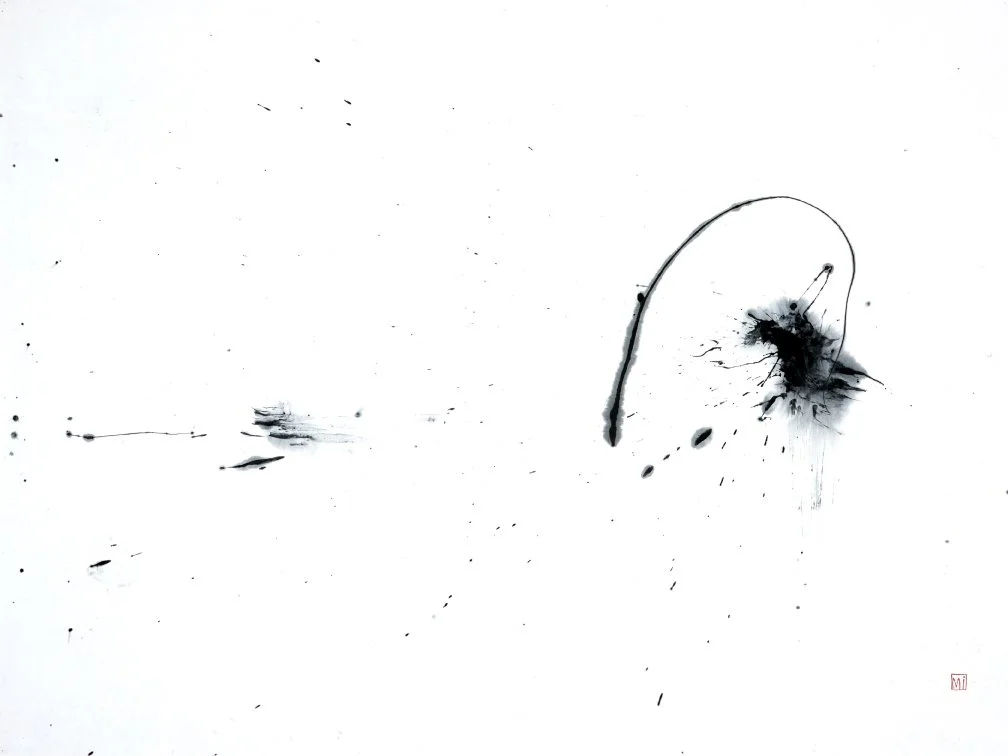
Misoon Kim-Traces2003(70cmx100cm)
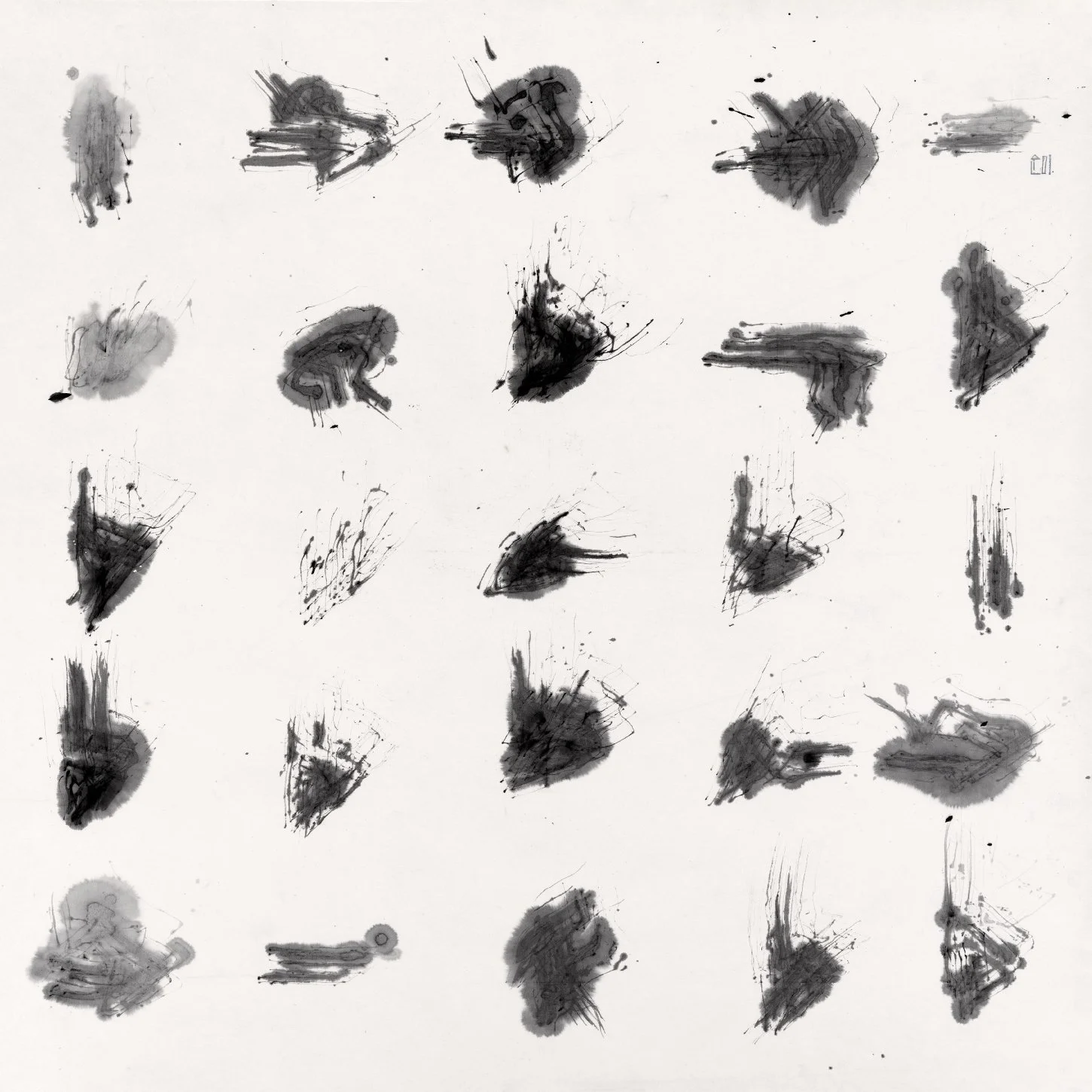
Misoon Kim-Traces2022(68cmx68cm)
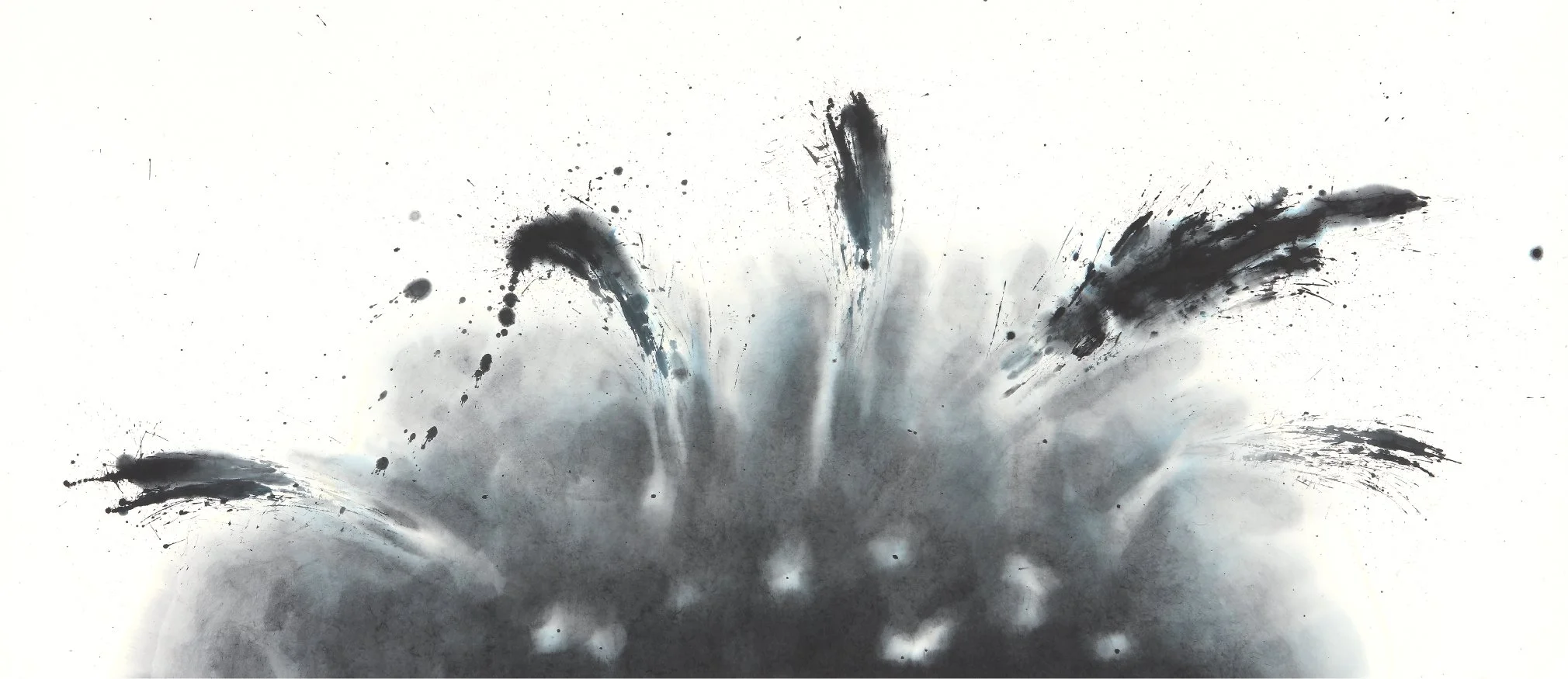
Misoon Kim-Traces2021(61cmx138cm)
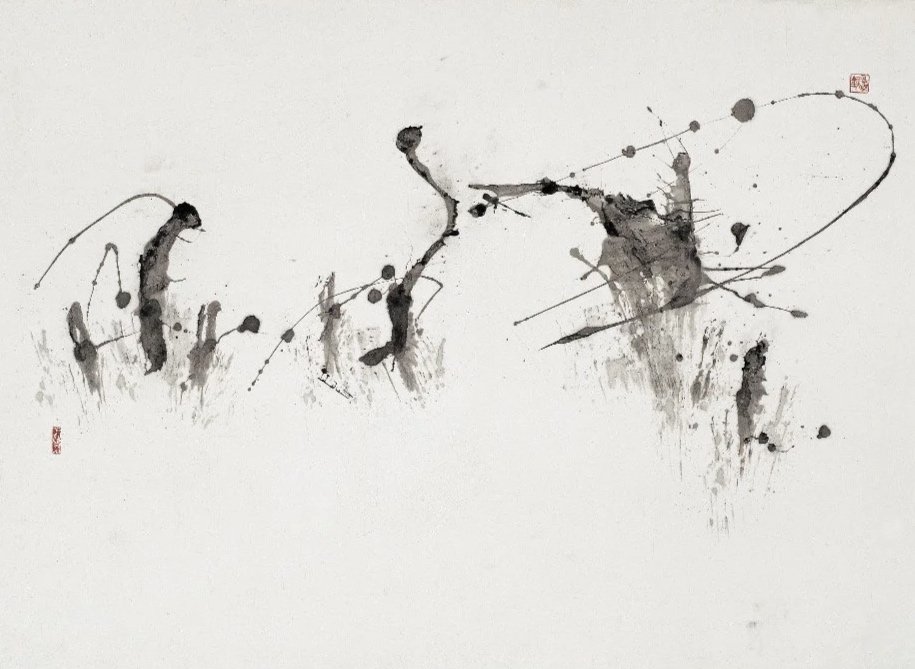
Misoon Kim-Traces2002(80cmx120cm)
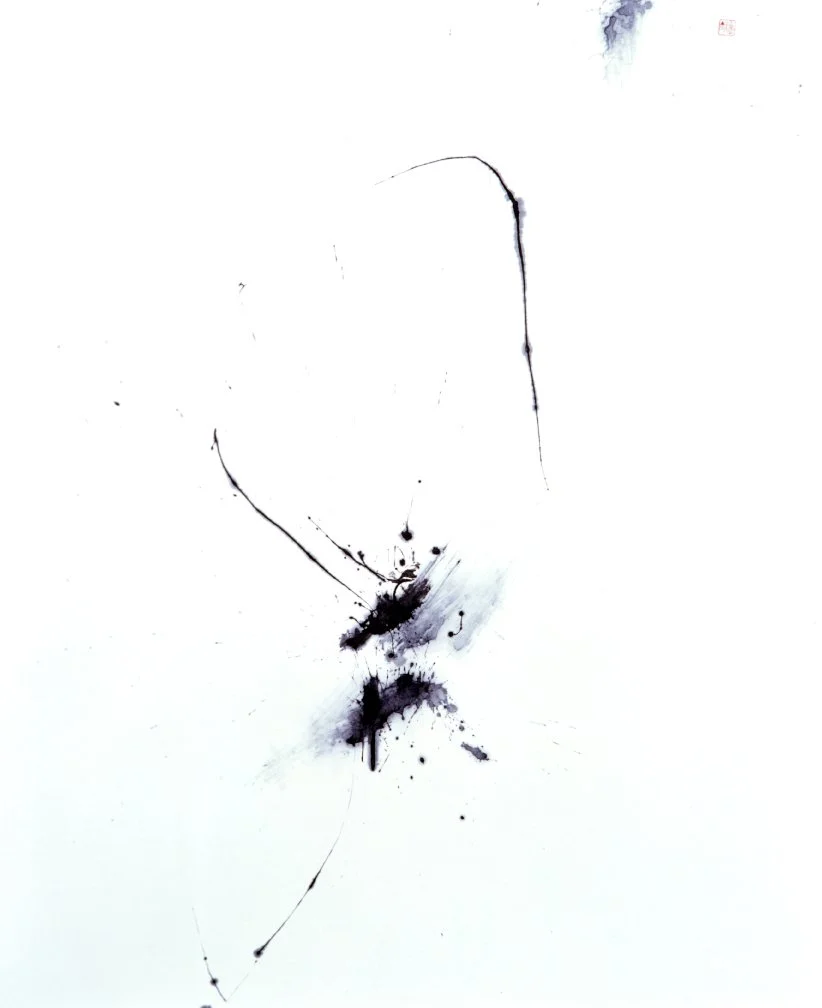
Misoon Kim-Traces2022(122cmx104cm)
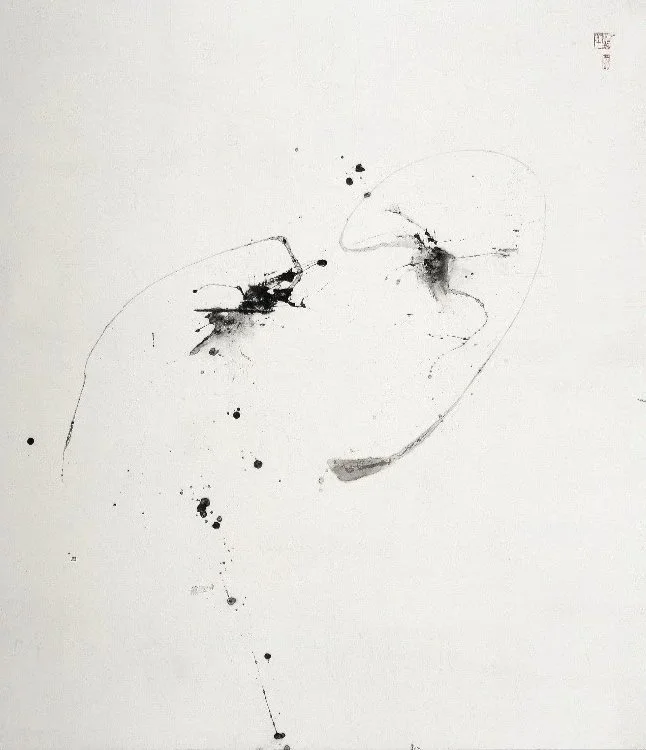
Misoon Kim-in and yang 2002(140cmx120cm)
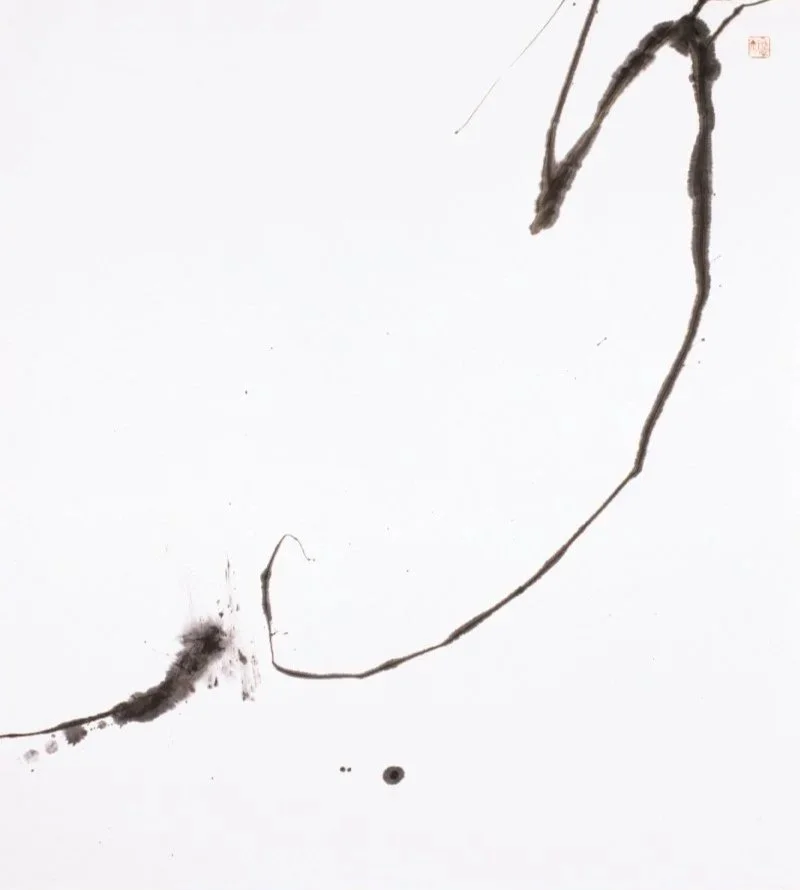
Misoon Kim-Traces2003(122cmx104cm)
TRACES - Harmonics
Harmonics (2008–current) developed during Kim Misoon’s stays in India, Korea, Hong Kong, and Washington, D.C. During this period, she experienced the passing of her parents and came to realize that life is not within human control. This experience led her to ask a simple but essential question: how should we live?
Once life is given in the universe, all beings live in their own place, passing through birth, aging, illness, and death. There is beauty in living with gratitude within finite conditions, imperfect yet humble. In Harmonics, these lives are expressed as energy and represented as waves—traces of how we live alone or together, forming resonance and harmony.
* Select the painting to see a larger view. Dimensions are listed as H × W.
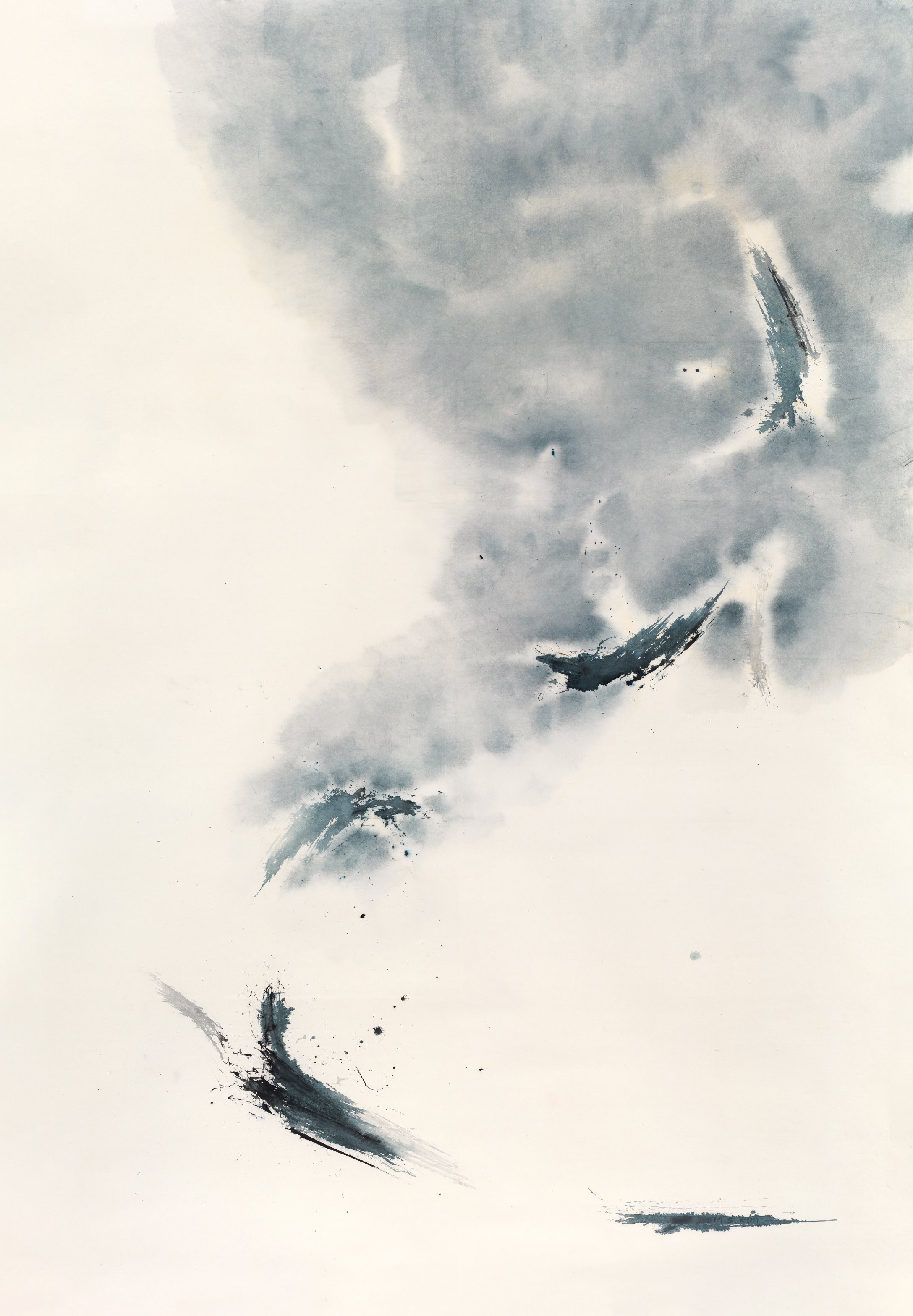
Misoon Kim-Traces-2022(200cmx140cm)
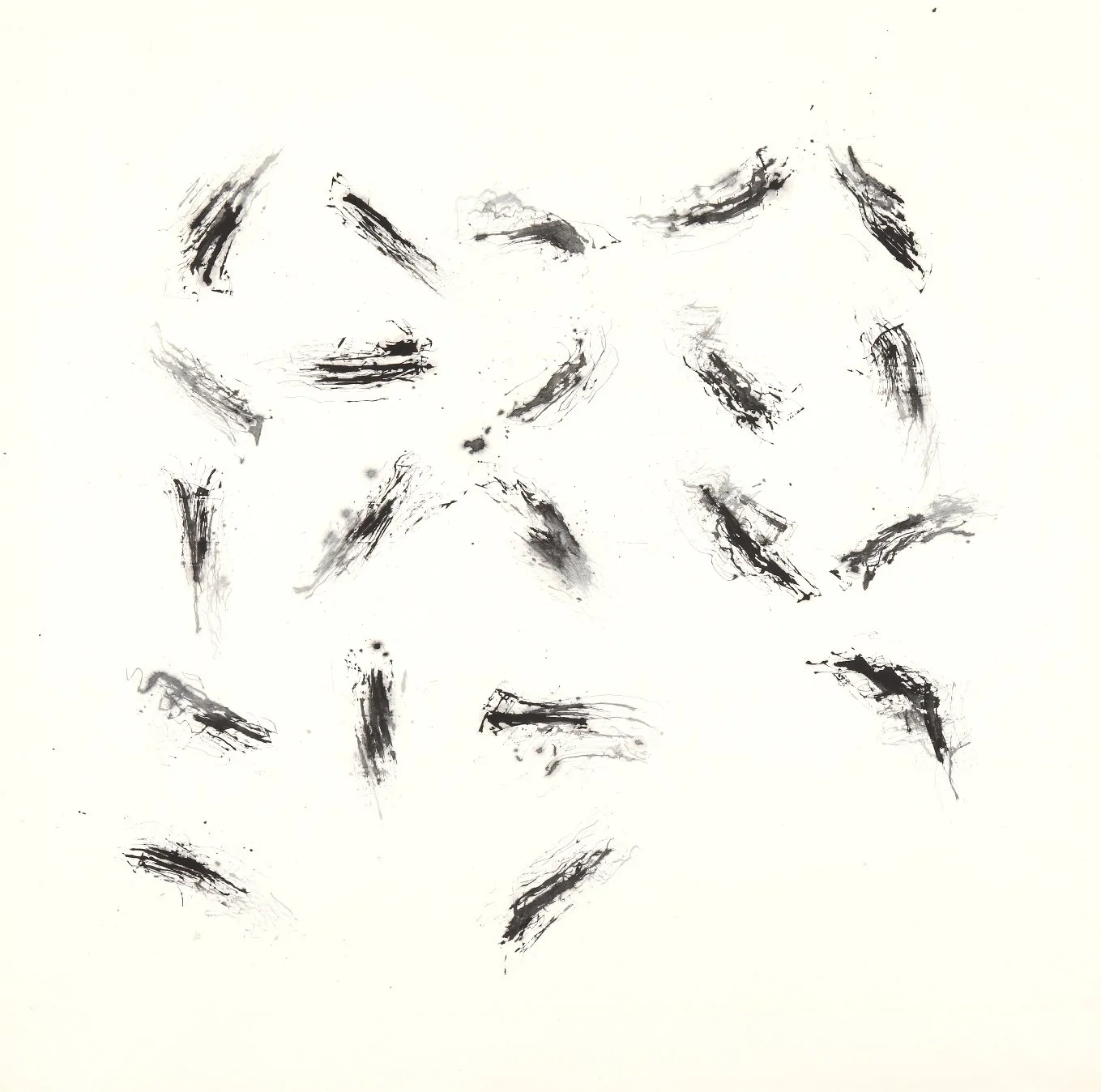
Misoon-Kim-Traces2021(121cmx121cm)
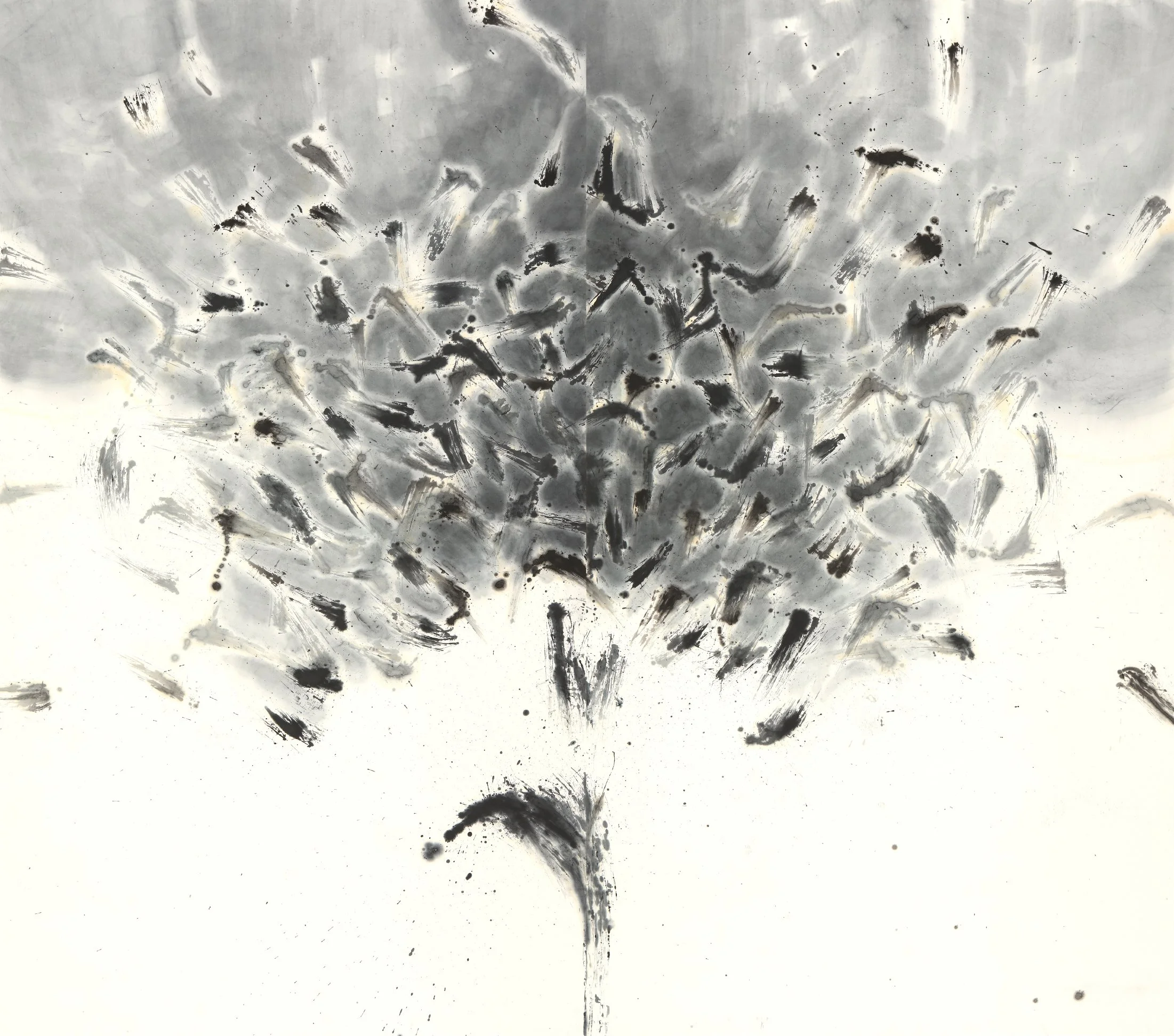
Misoon-Kim-Traces2021(170cmx192cm)
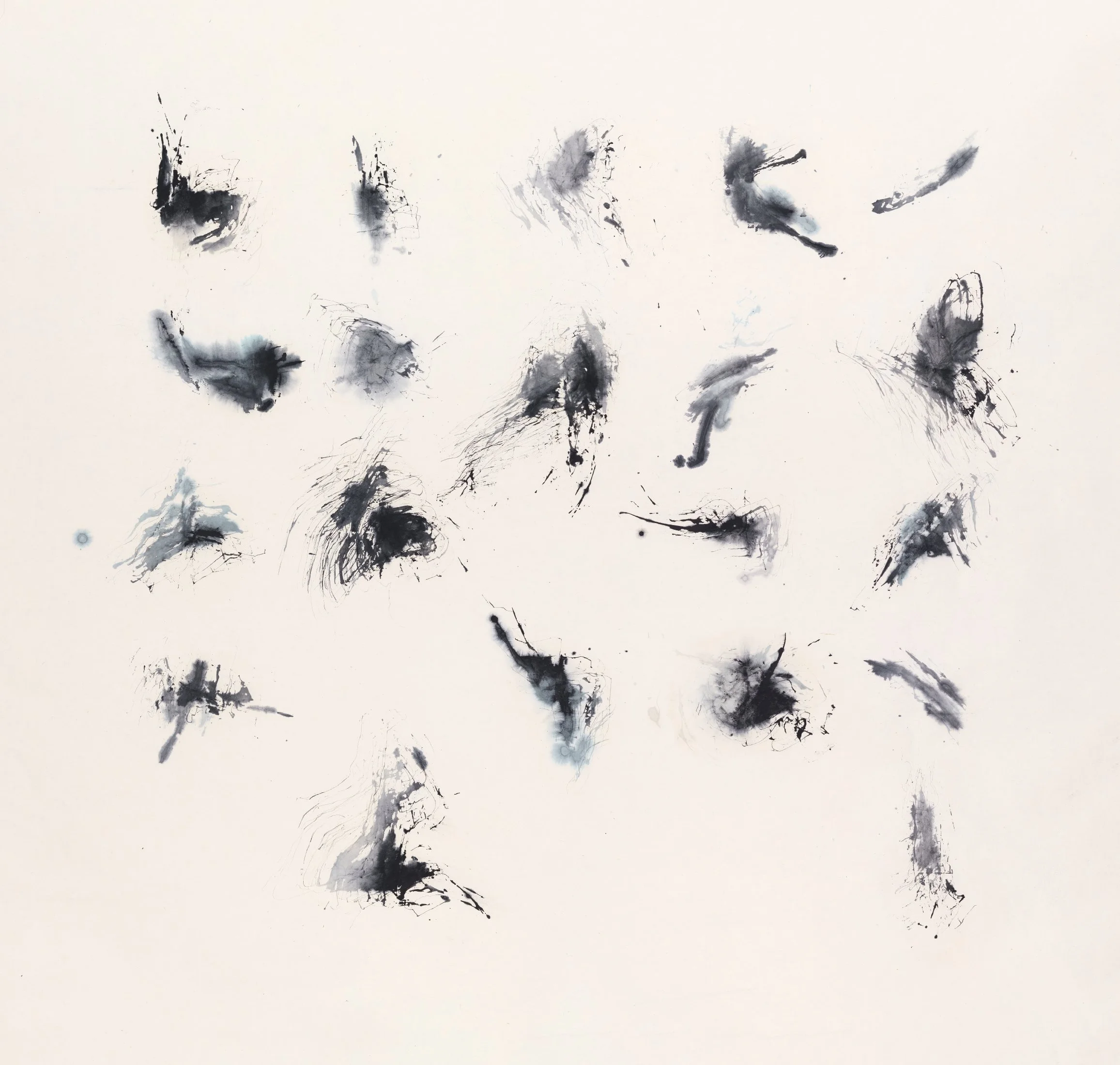
Misoon Kim-Traces2023(115x121cm)
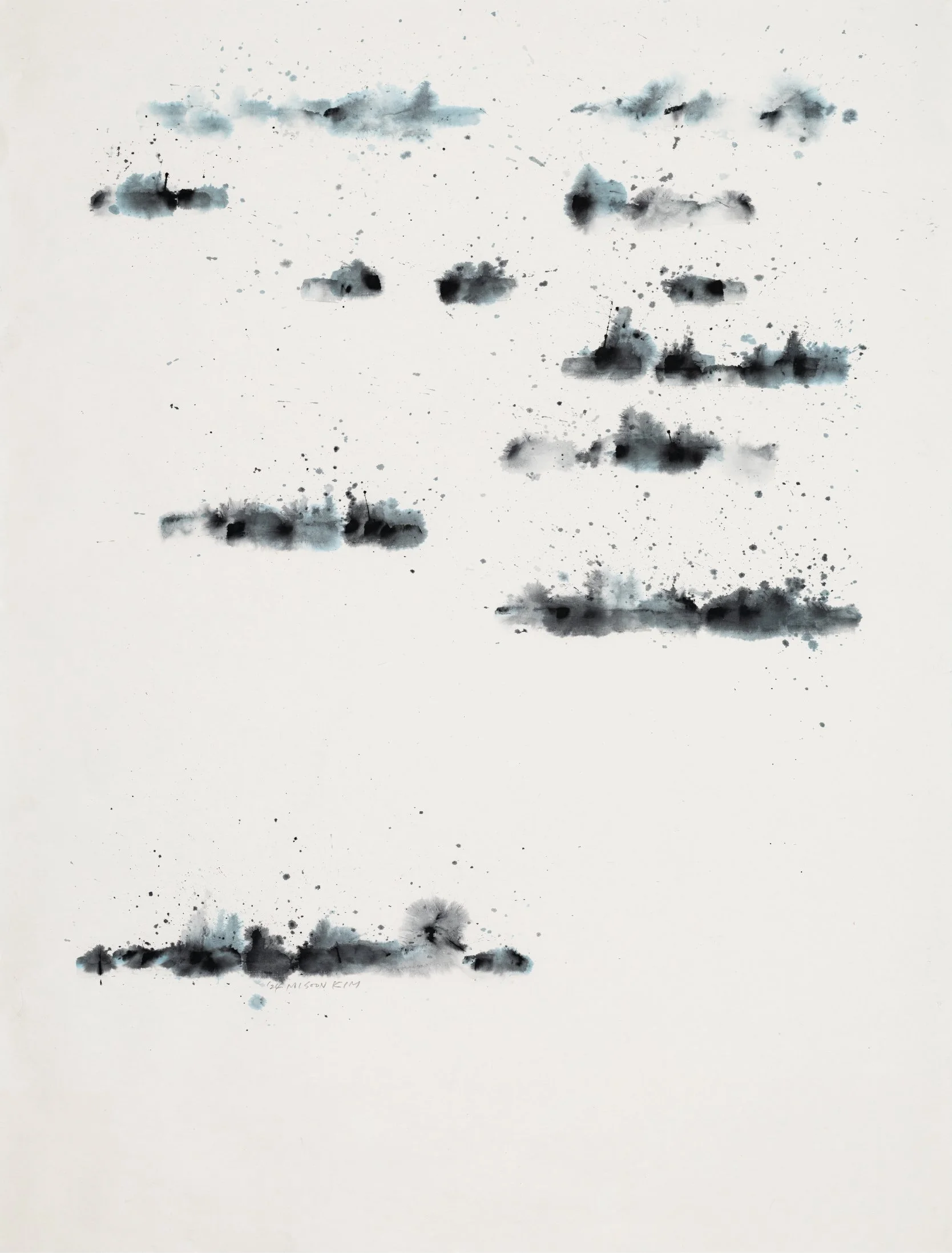
Misoon Kim-Traces2024-(192x146cm)
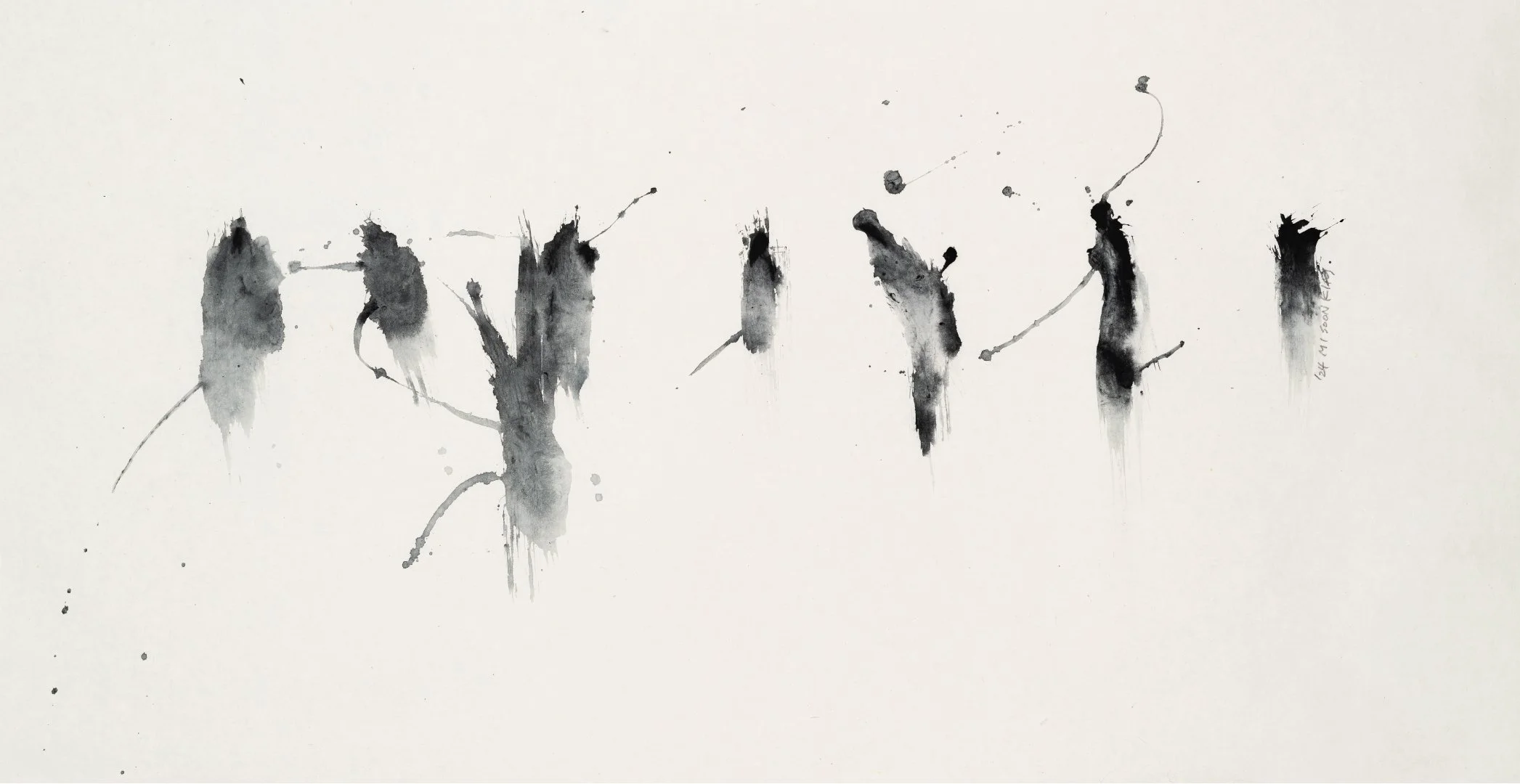
Misoon Kim-Traces2024(76cmx146cm)
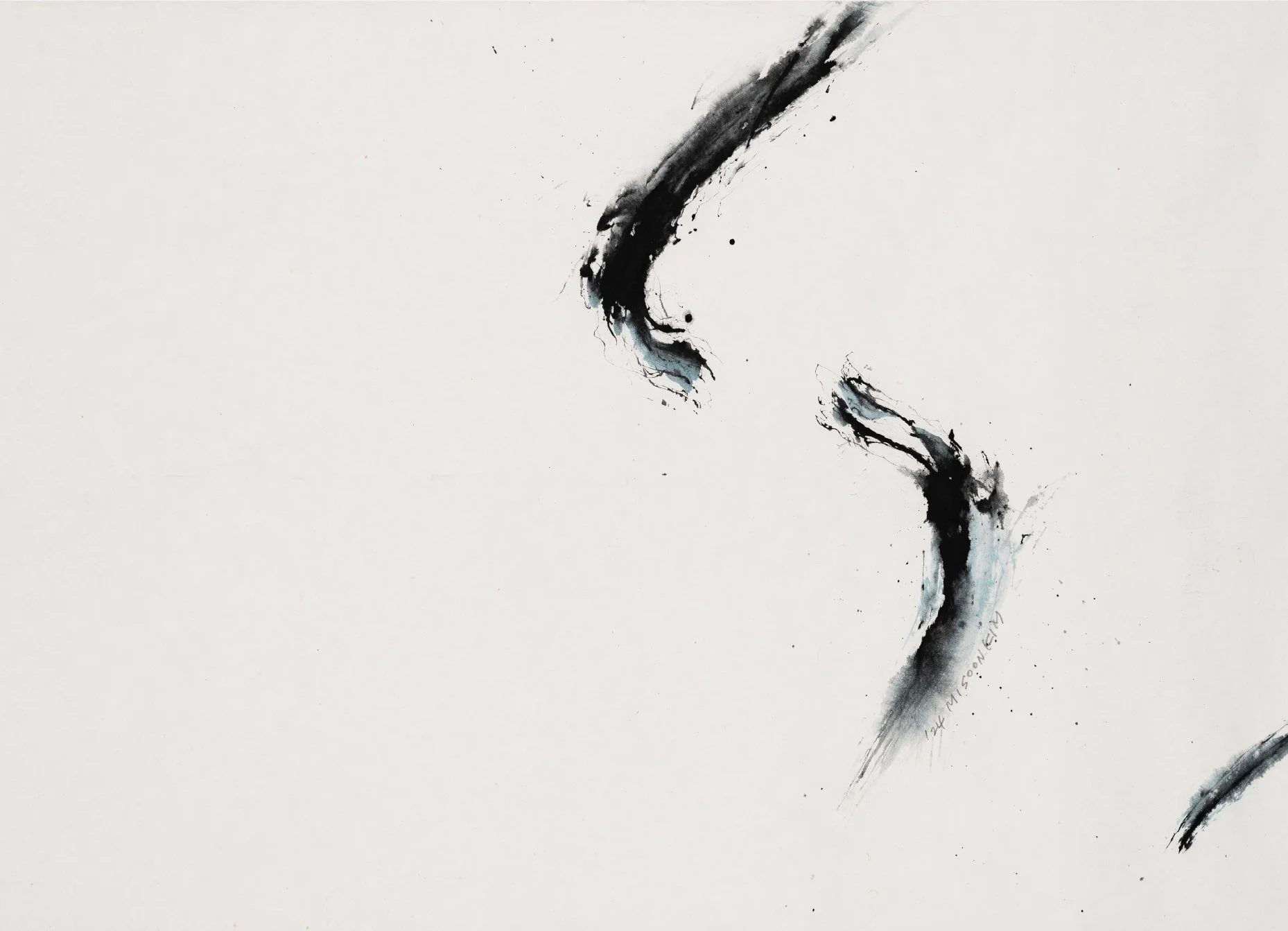
Misoon Kim-Traces2024(78cmx109cm)
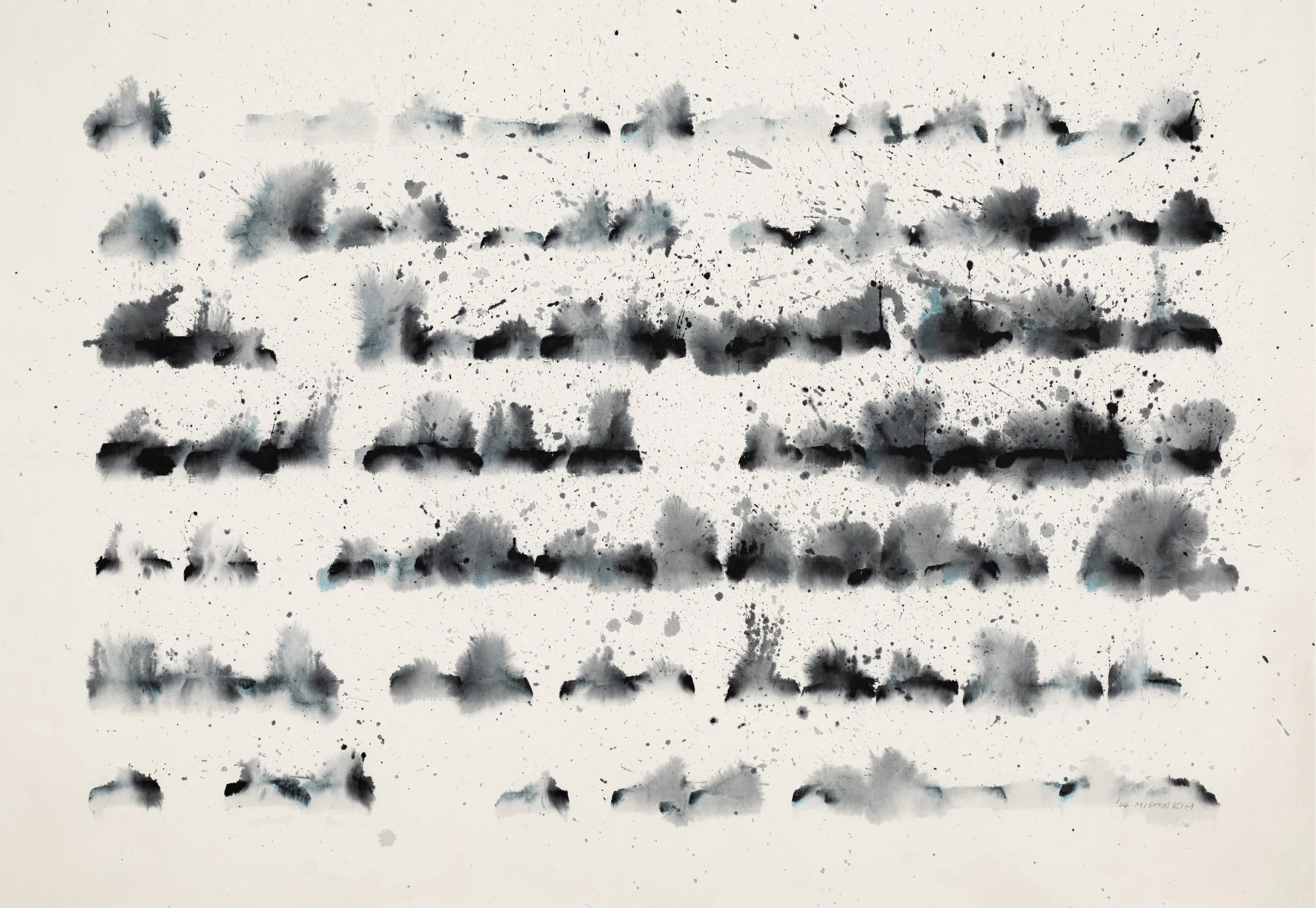
Misoon Kim-Traces2024(139cmx200cm)
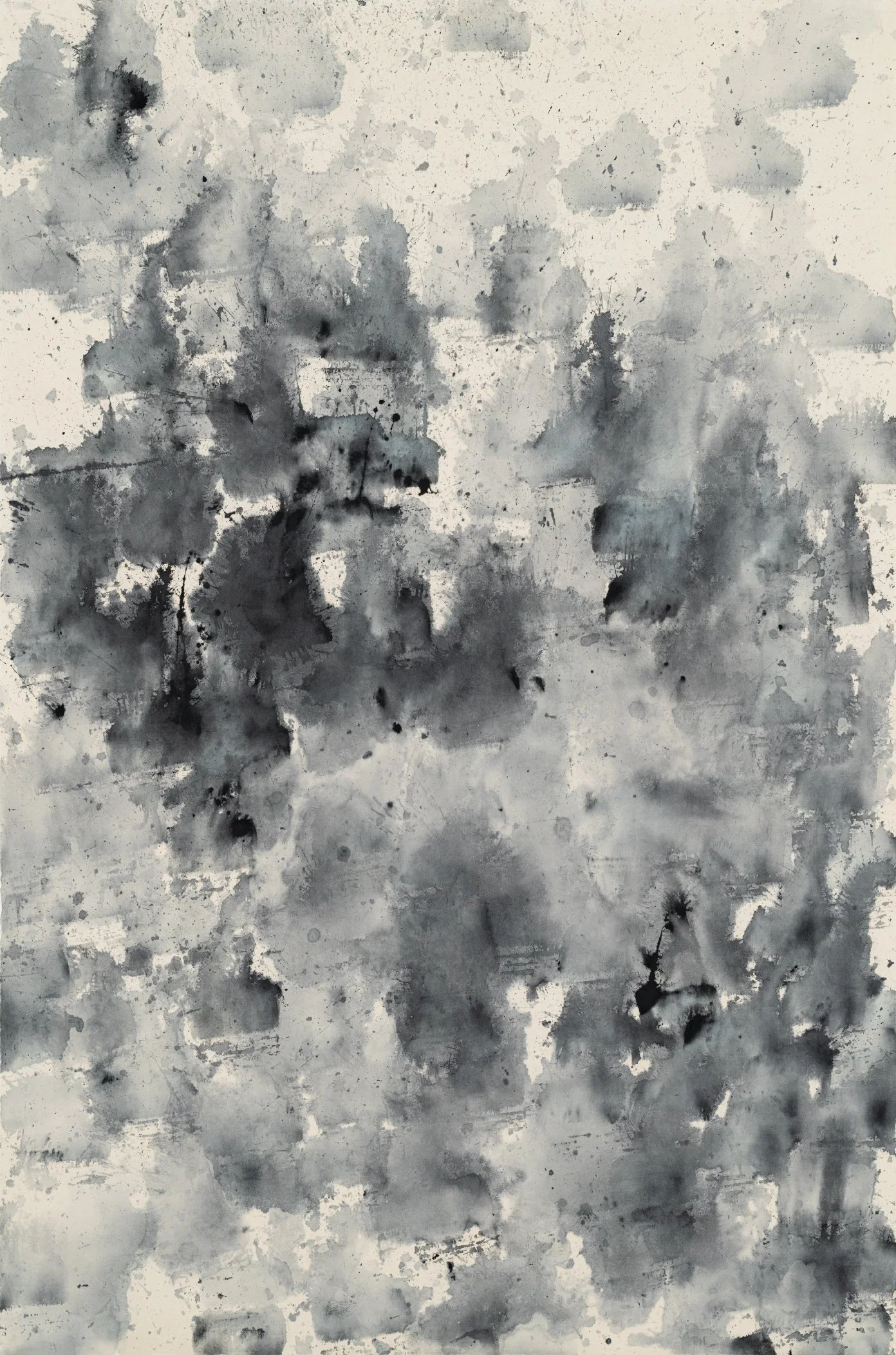
Misoon Kim-Traces2024(94x62cm)
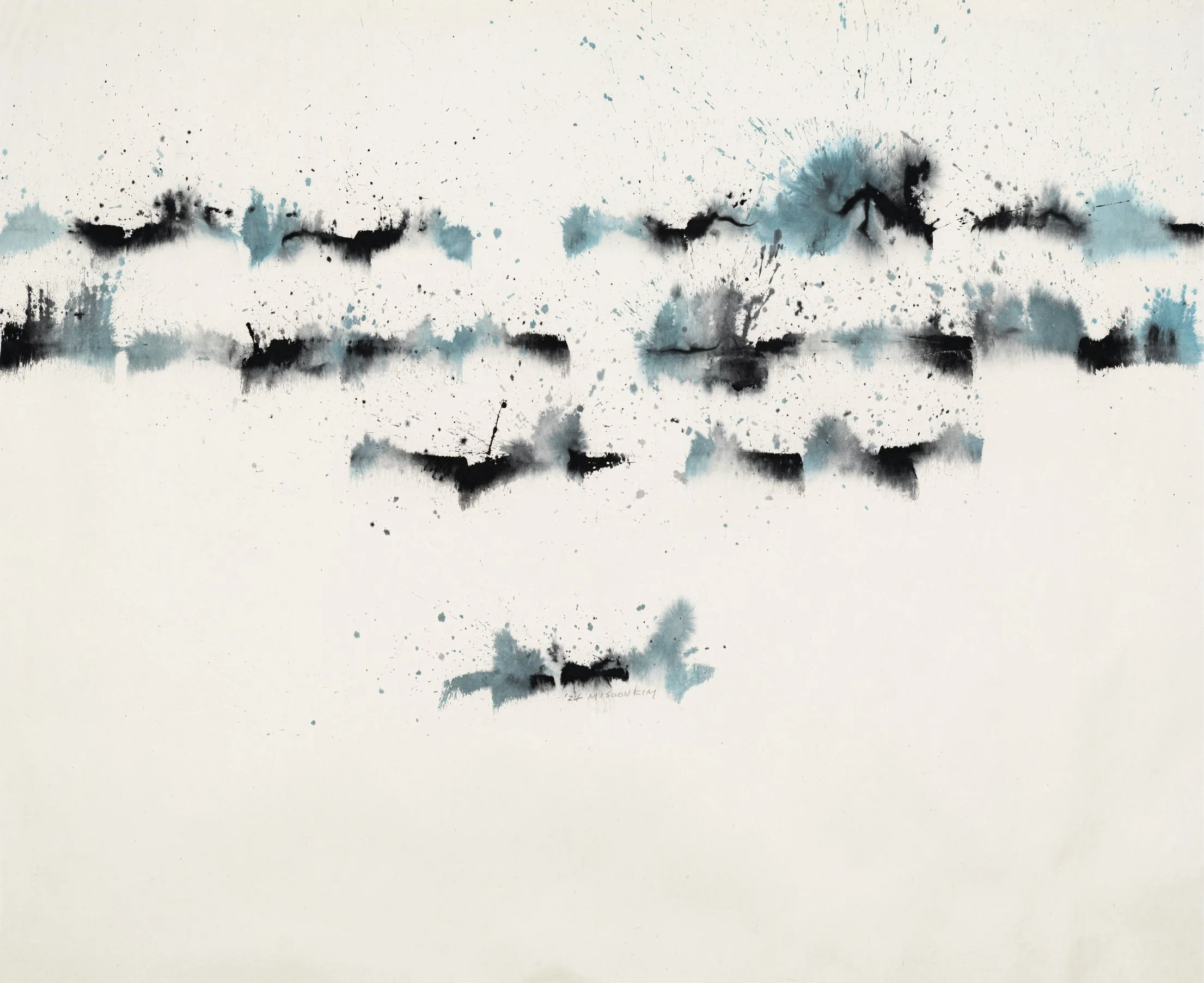
Misoon Kim-Traces2024(140cmx172cm)
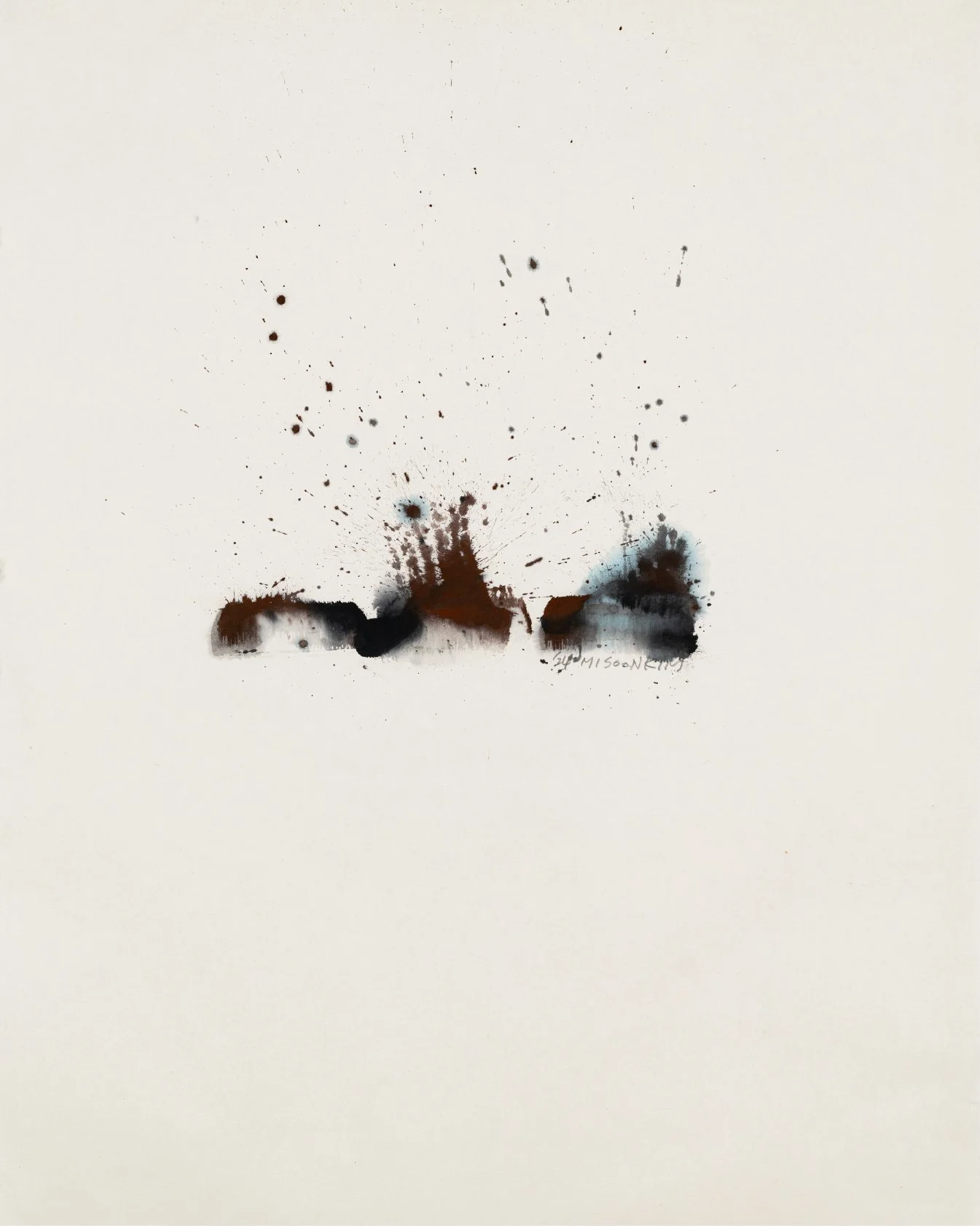
Misoon Kim-Traces2024(95cmx76cm)
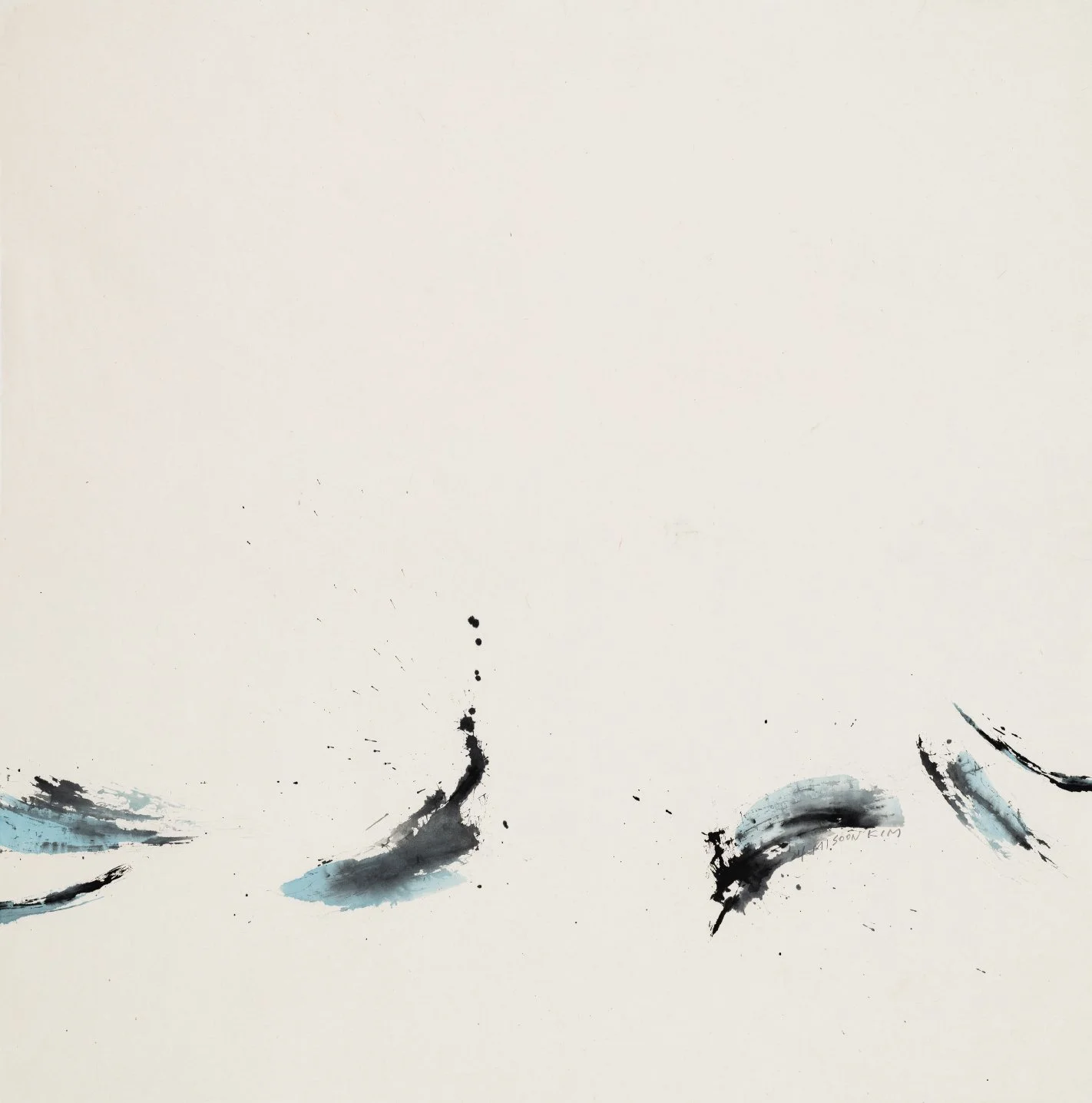
Misoon Kim-Traces2024(109cmx106cm)
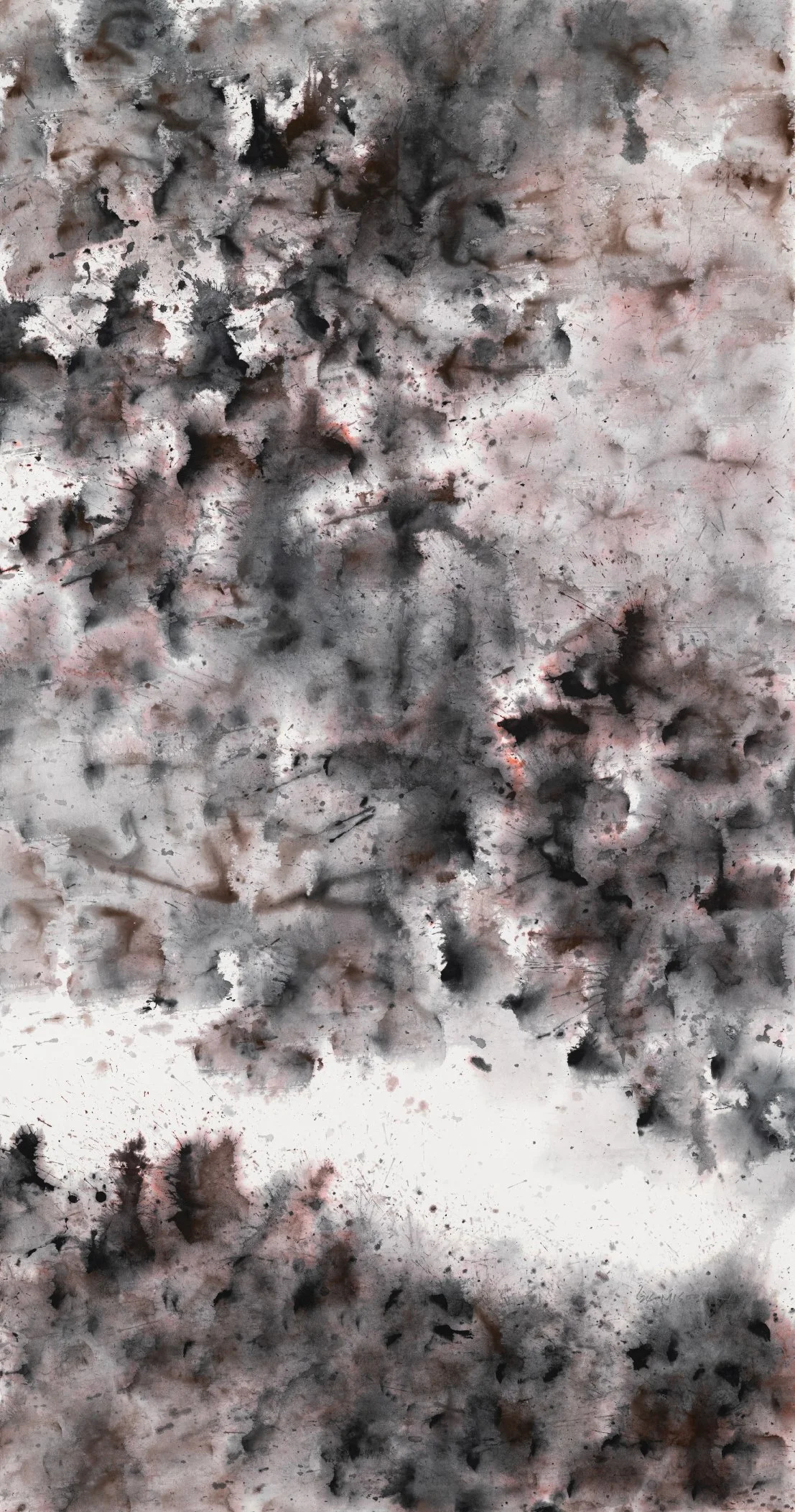
Misoon Kim-Traces2024(144cmx75cm)
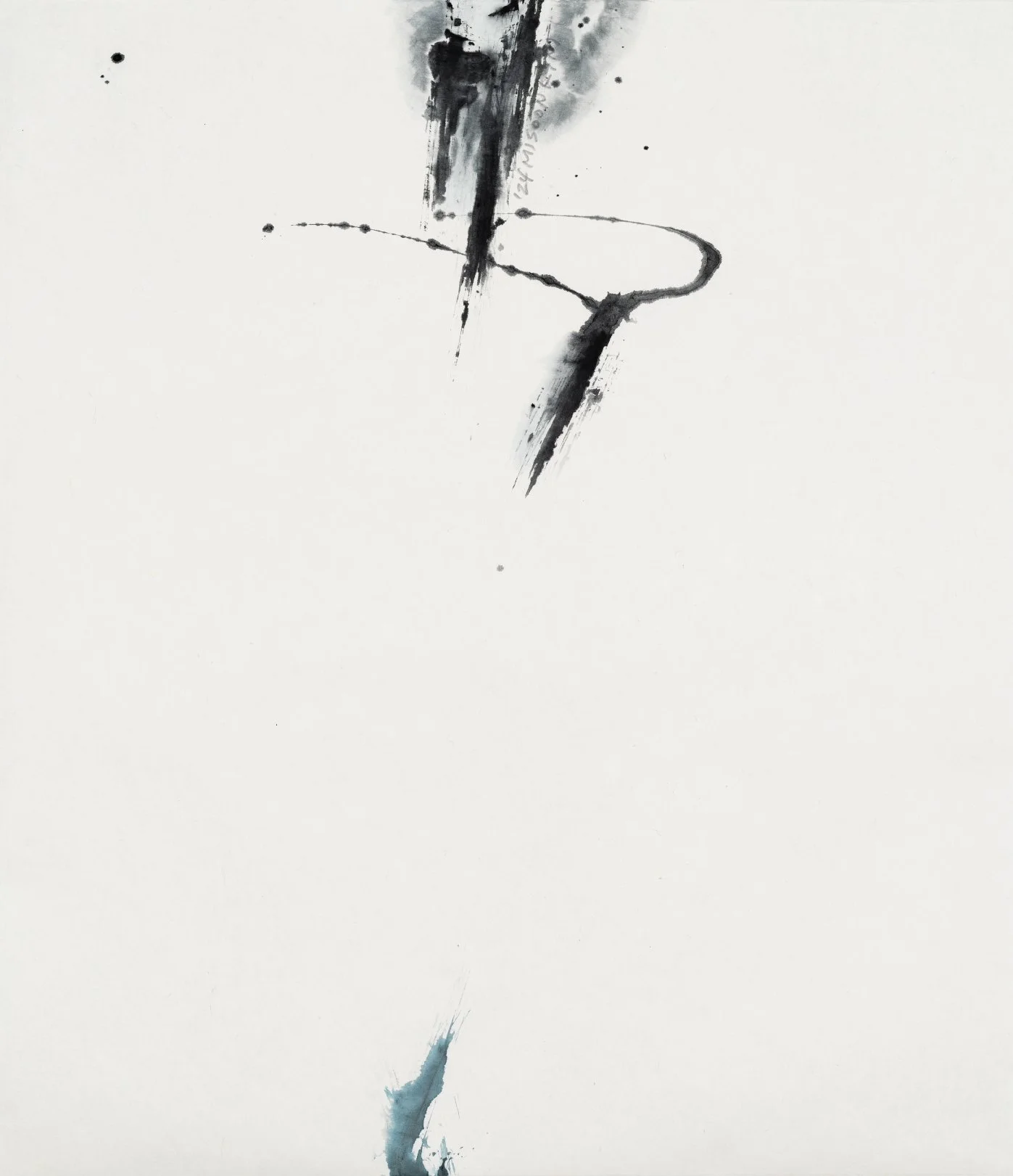
Misoon Kim-Traces2024(87cmx75.5cm)
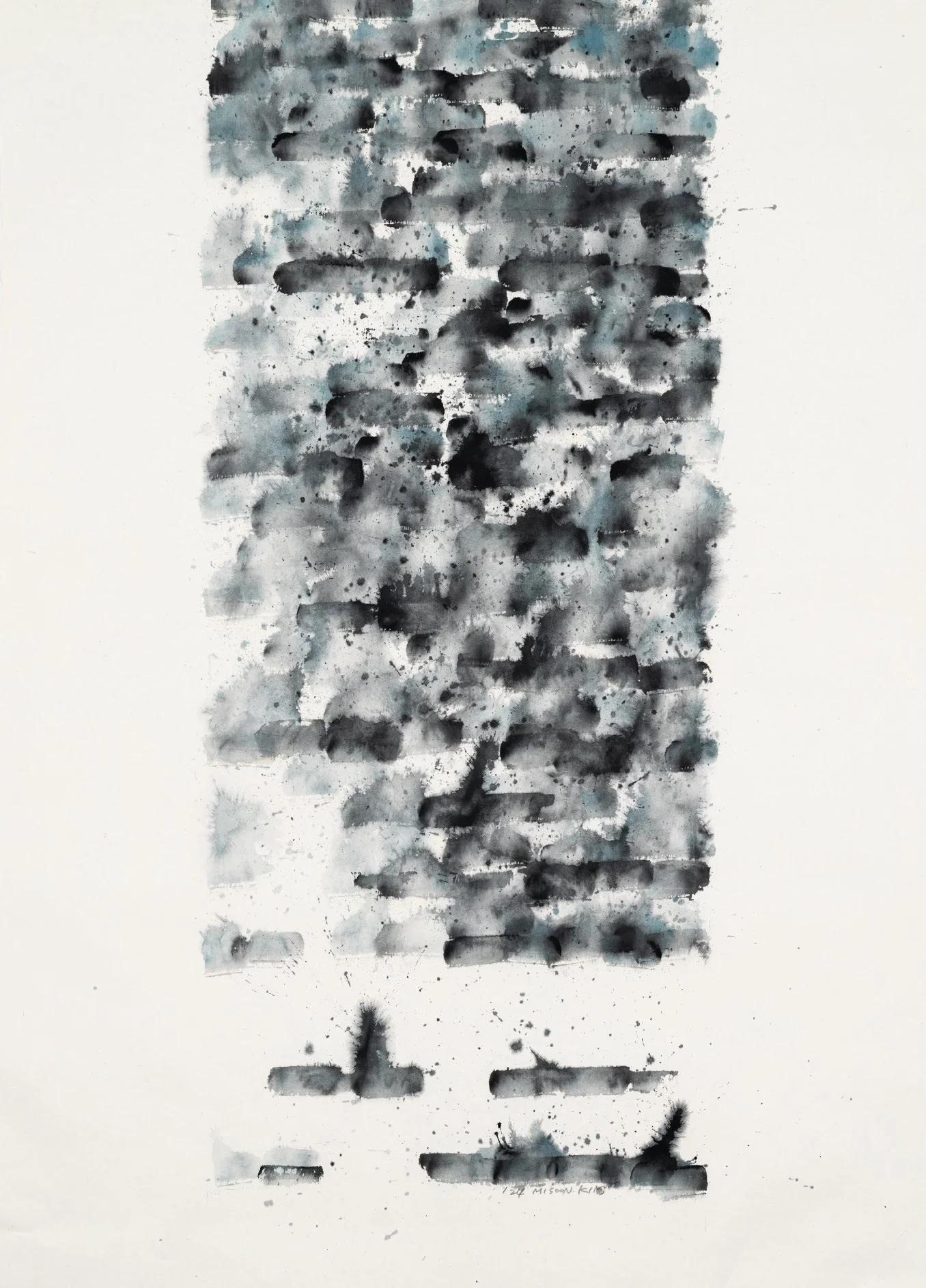
Misoon Kim-Traces2024(146cmx105cm)
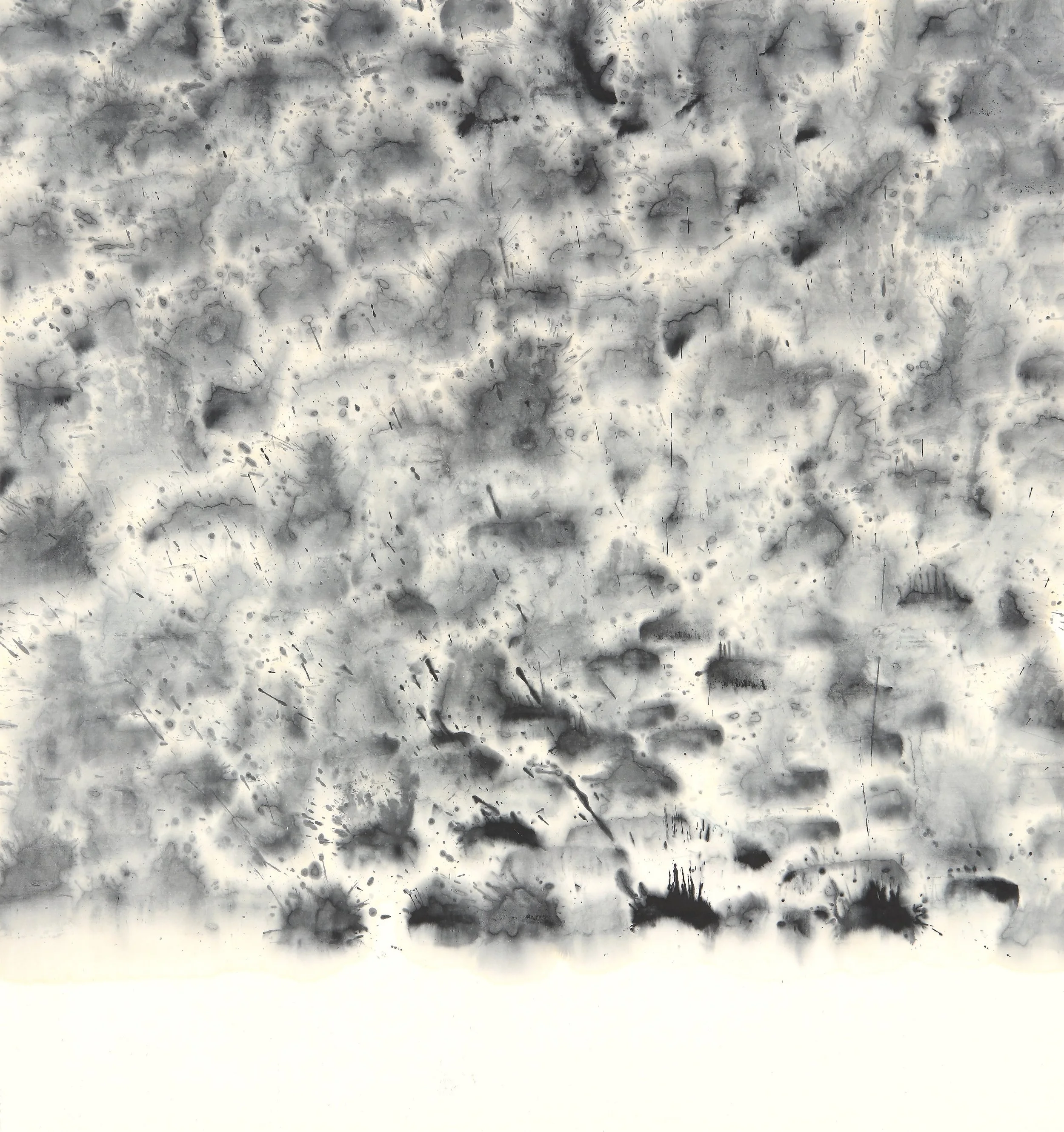
Misoon Kim-Traces2021(97cmx90cm)
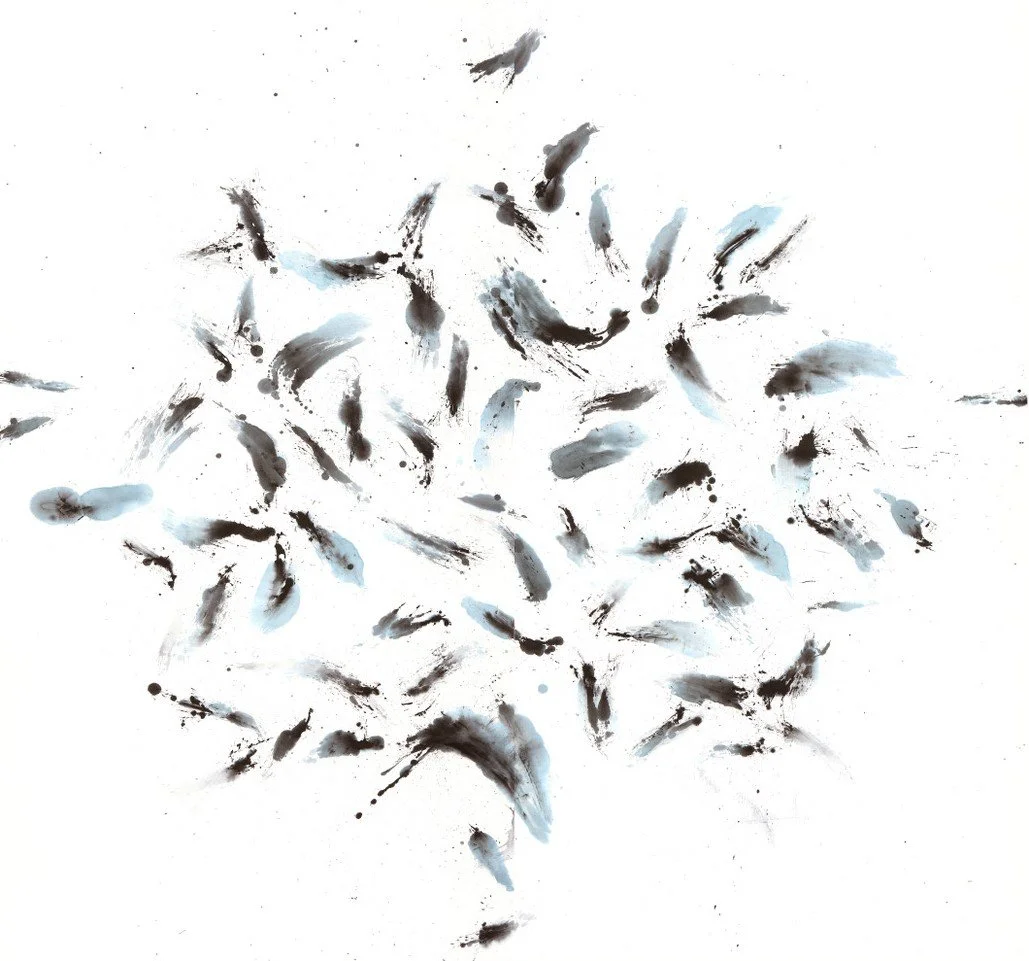
Misoon Kim-Traces2021(180cmx194cm)